Why bases fail
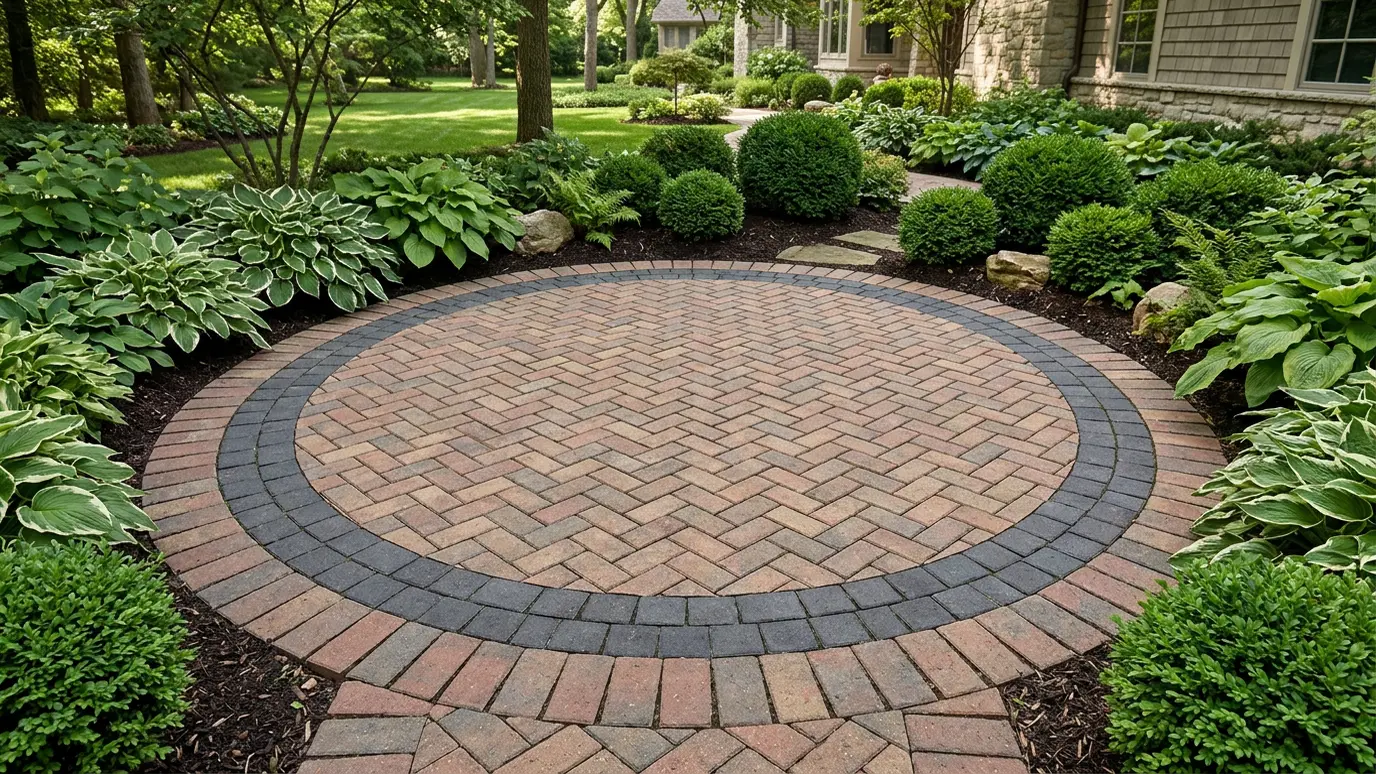
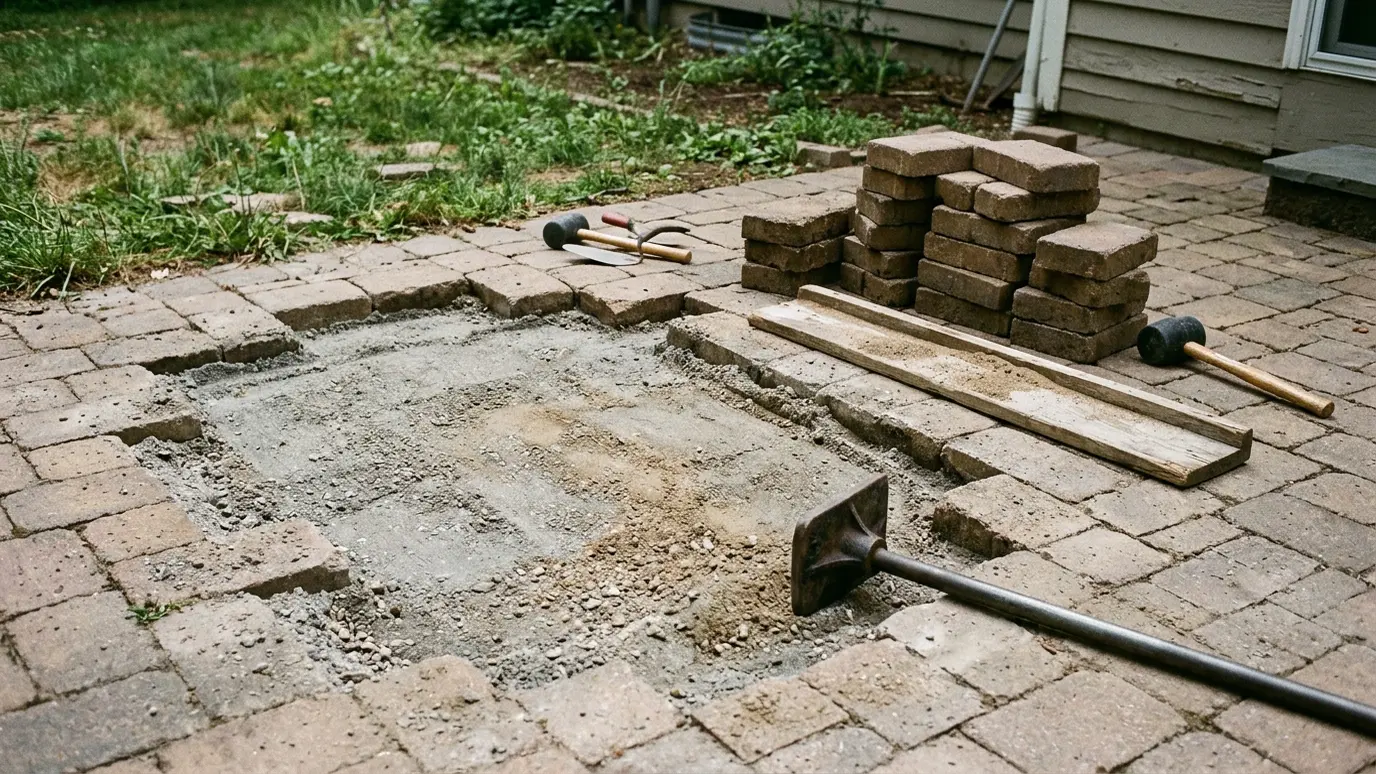
A patio that sinks, tilts or heaves almost always has a base problem: too thin, poorly compacted or sitting on soft soil. The surface looks fine until the ground moves.
Excavation depth
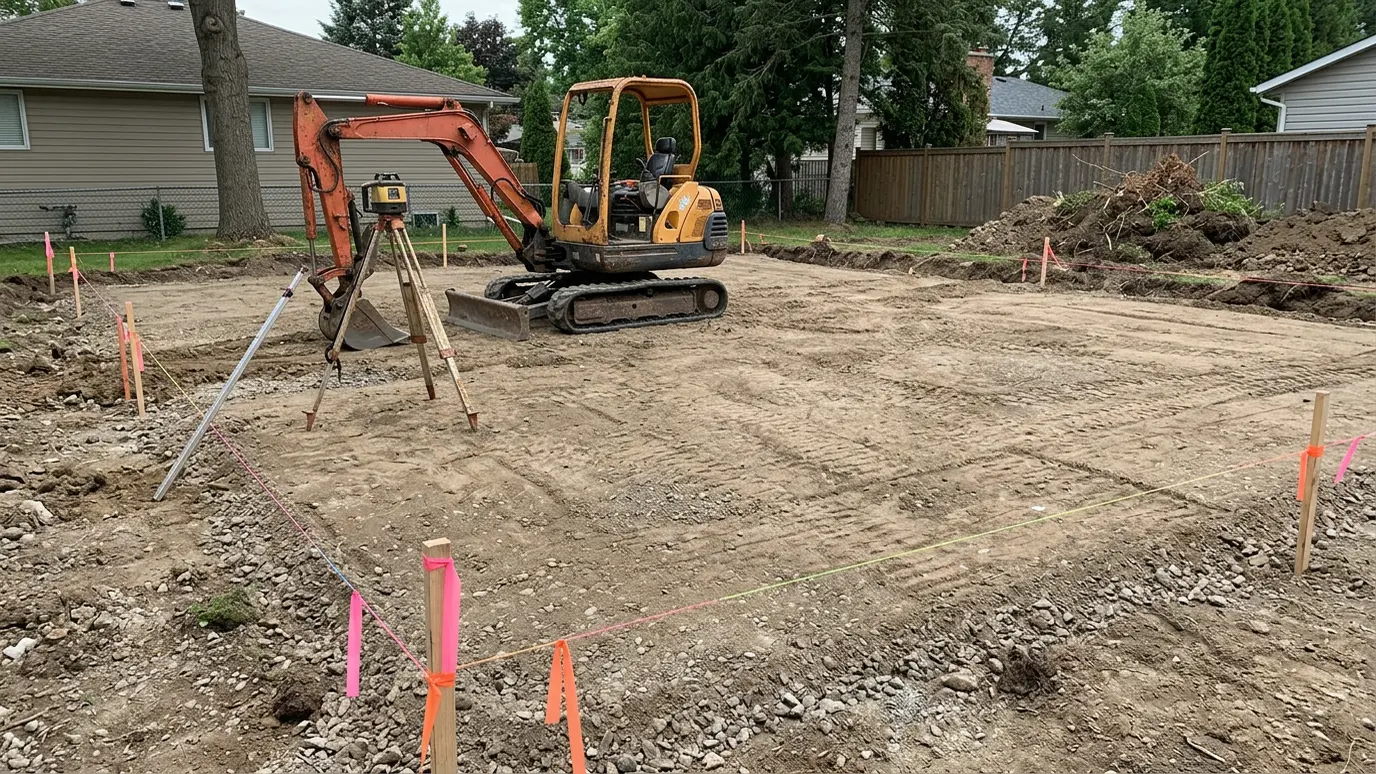
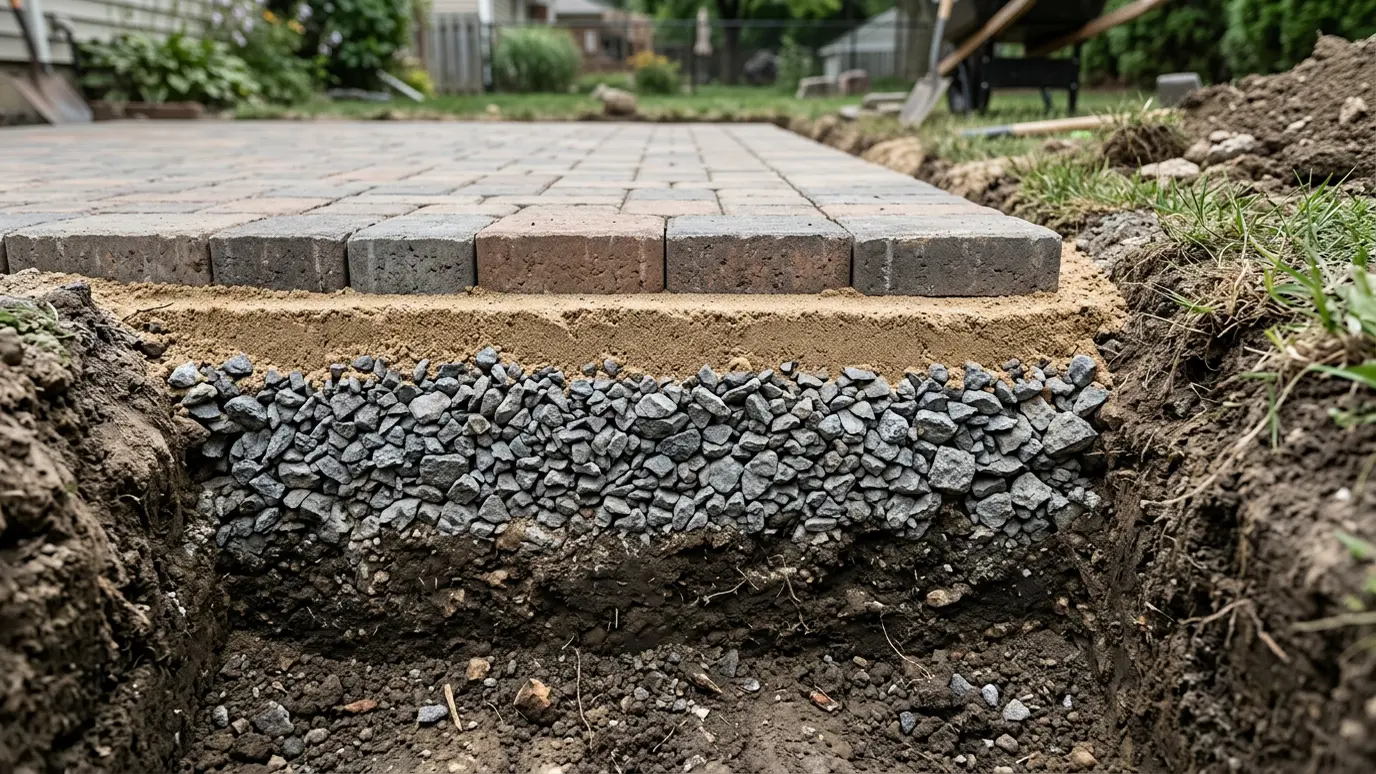
Digging to firm soil and removing organic material is the first step. Driveways need more depth than patios because of weight.
Crushed stone in lifts
Angular crushed stone is placed in layers and compacted with a plate compactor. Each lift is compacted before the next goes on. Skipping lifts leaves soft spots.
Geotextile and soil
In clay or wet areas, fabric separates soil from base stone and keeps them from mixing. On very soft soils, deeper bases or stabilization may be needed.
Edge restraints
Without a restraint, pavers spread and the pattern opens. Concrete, steel or plastic edges lock the border in place.
Drainage
Water must leave the base. We slope surfaces away from buildings and add drains where water cannot escape naturally.
Ask any contractor how deep the base is, what it is made of and how it is compacted.