Appearance
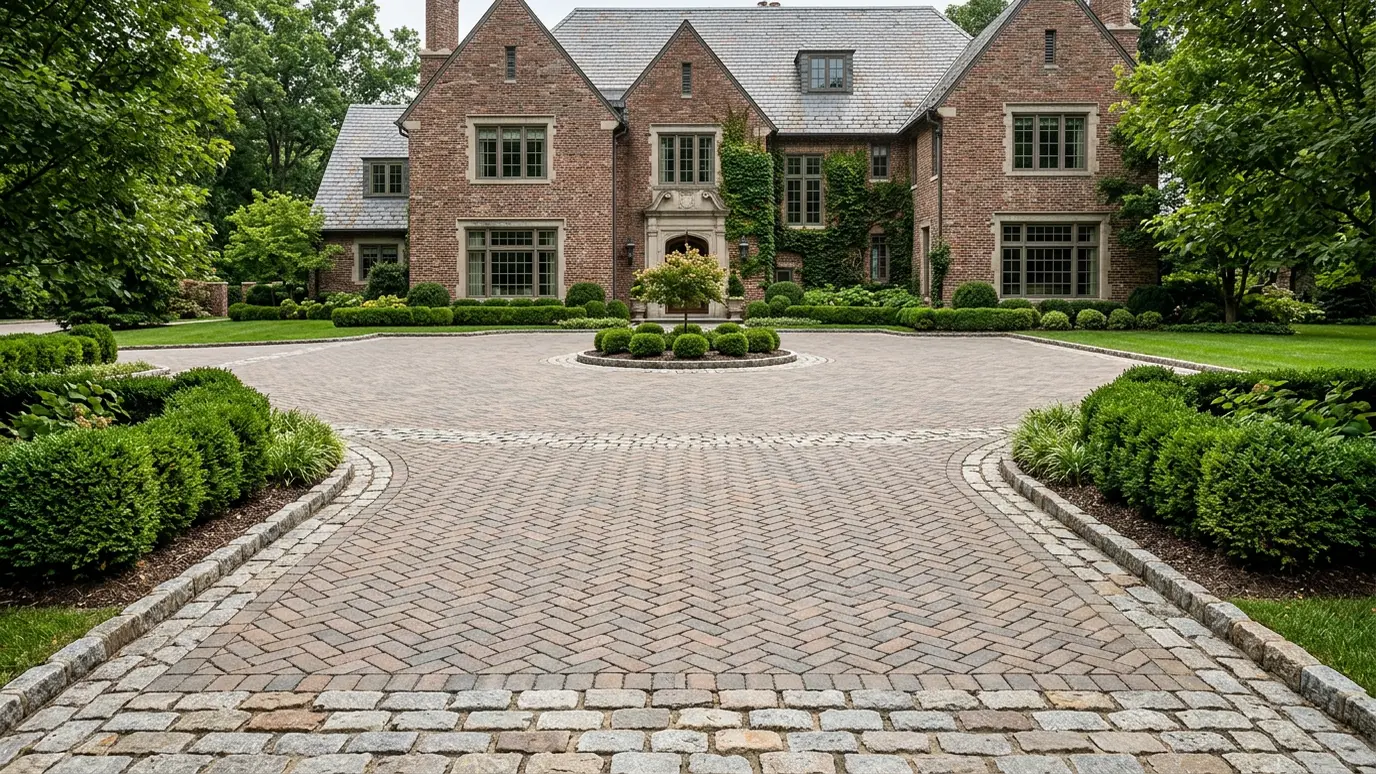
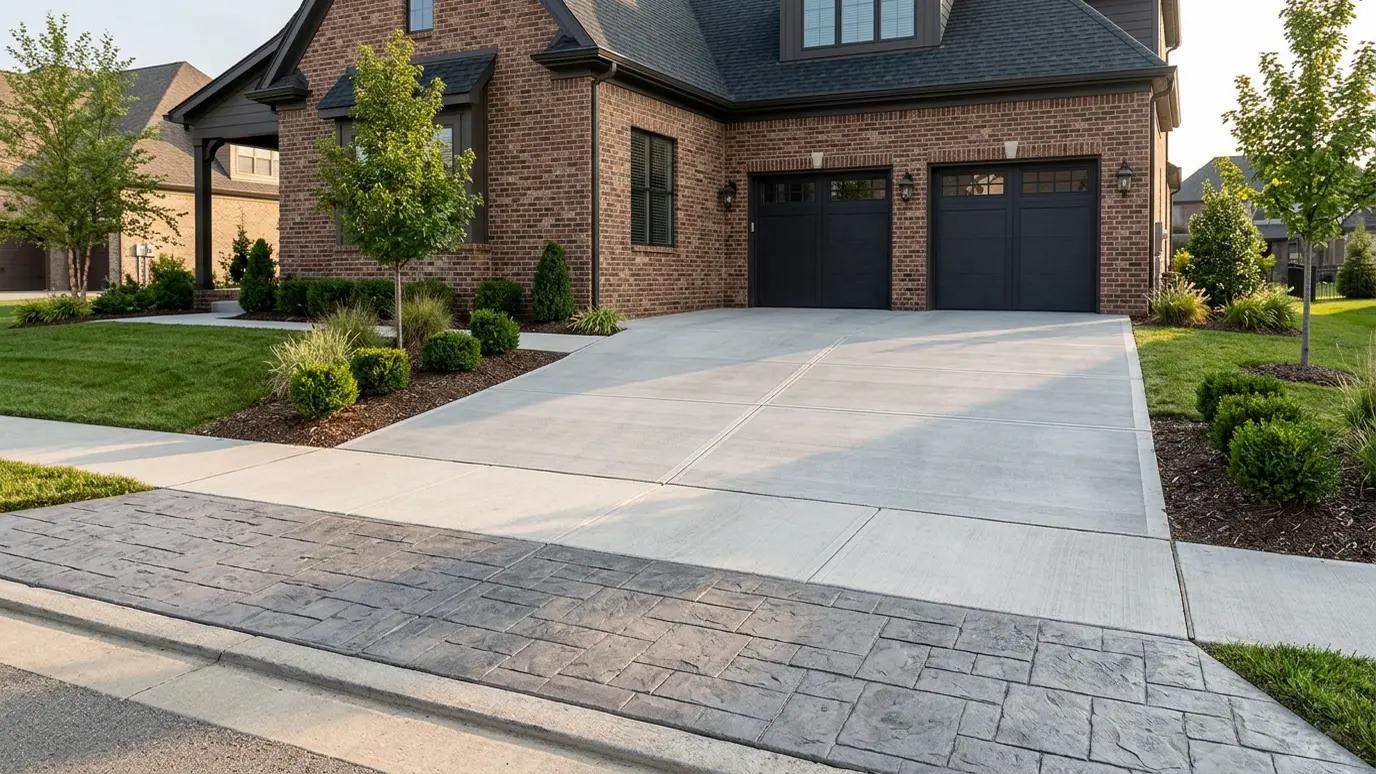
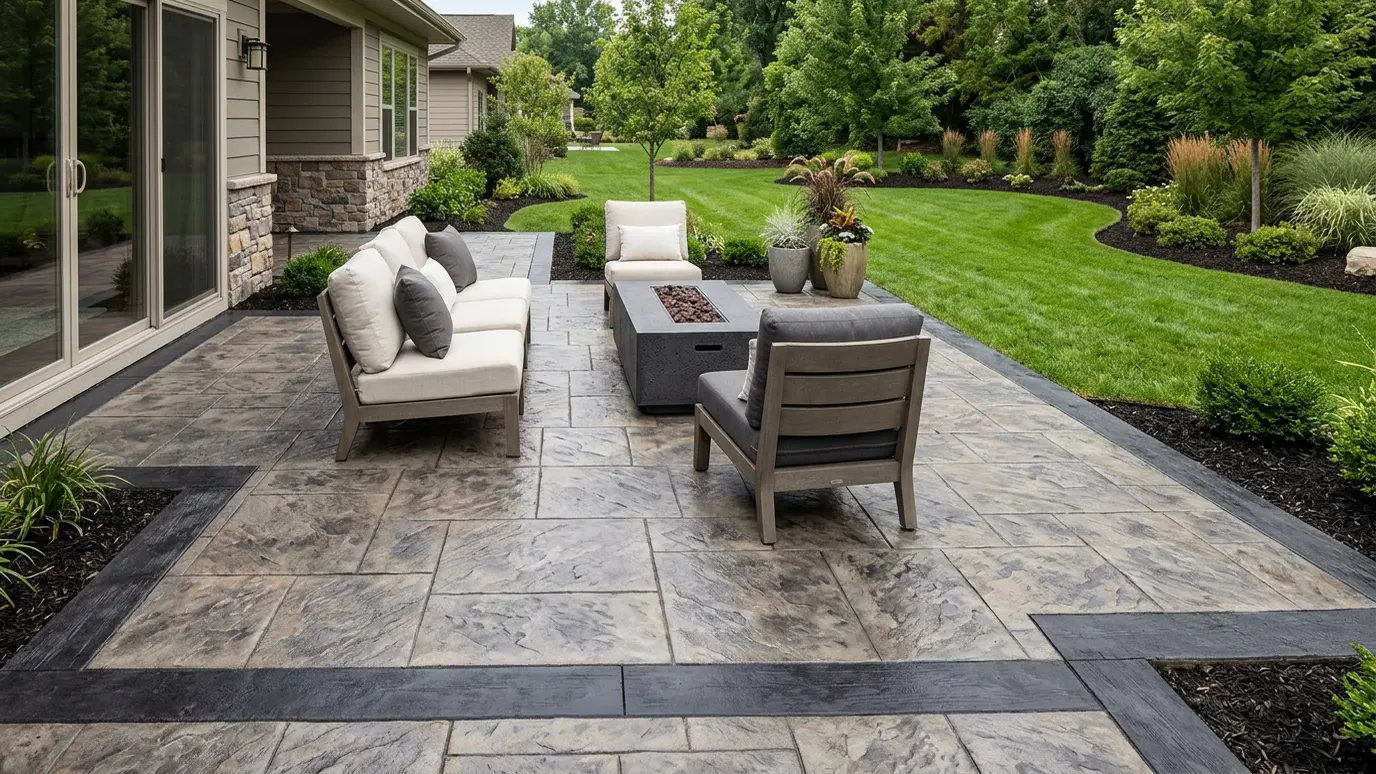
Pavers offer a wide range of colors, textures and patterns, and joints give them a classic look. Poured concrete is smooth and seamless, and stamping or color can imitate stone.
Strength and flexibility
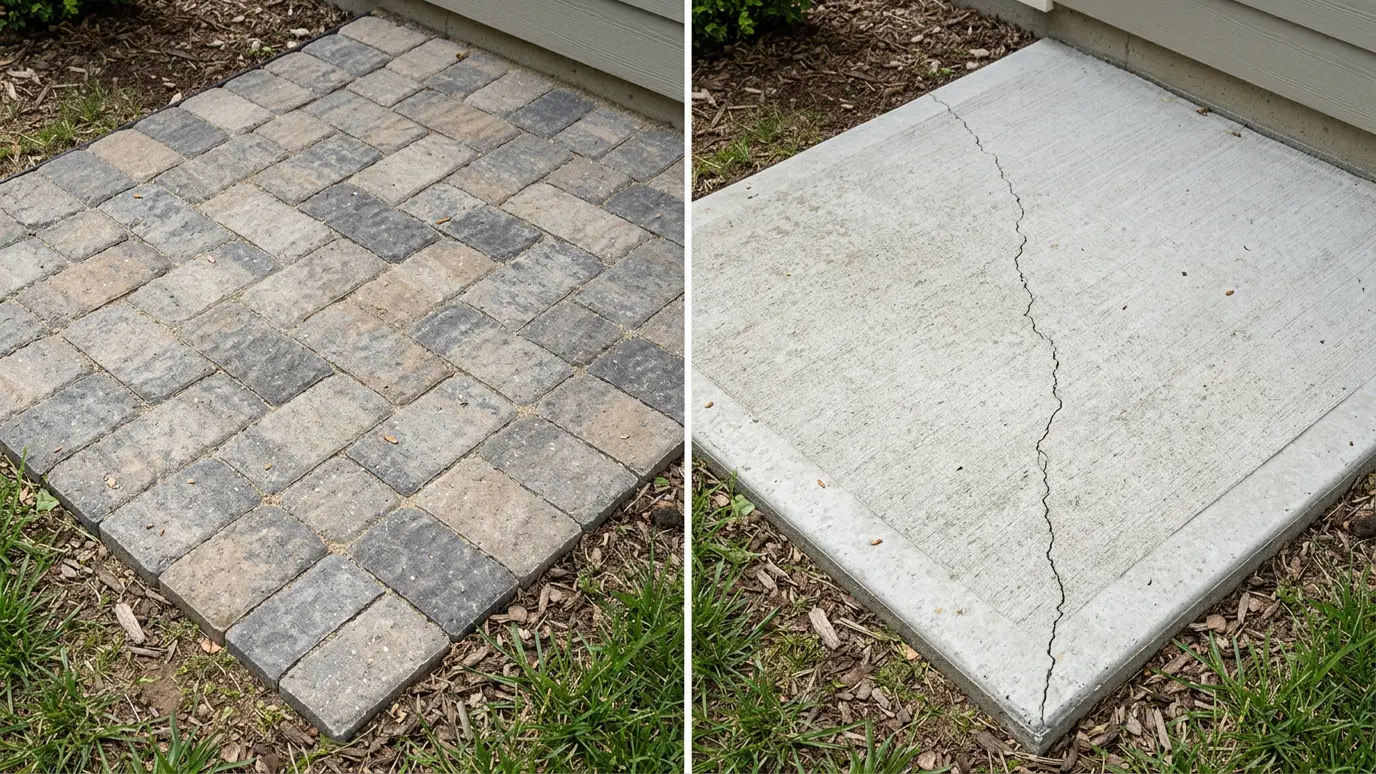
Pavers flex slightly with ground movement. Concrete is rigid and strong but can crack if the ground moves. Both perform well with a proper base.
Repairs
A damaged paver can be lifted and replaced. A cracked slab is harder to hide, and patches may show. This is one of the biggest long-term differences.
Installation time
Poured concrete can be placed in a day and cured over a week. Pavers take longer to lay but can be used right away.
Maintenance
Pavers need joint sand topped up and occasional sealing. Concrete needs sealing and sometimes crack repair. Both clean easily.
Value over time
Concrete often costs less at the start. Pavers often cost more upfront but are easier to repair and maintain their look. The better choice depends on your priorities.
Choose concrete for a simple, budget-friendly surface and pavers for long-term repairability and design range.