Size sets the baseline
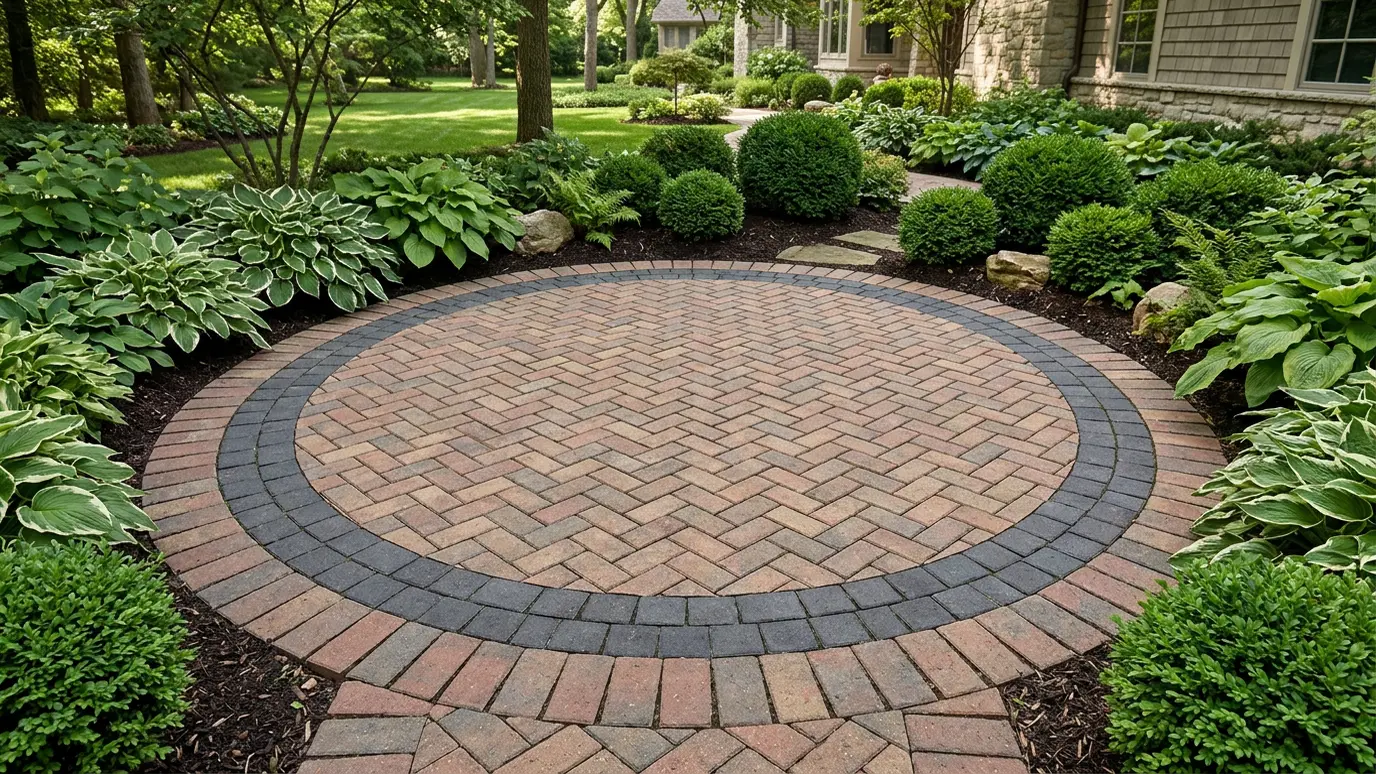
The most obvious driver is area. A larger patio takes more material, more base stone and more hours. Complexity matters as well: curves, patterns, borders and level changes add labor to every square foot.
Rather than quoting a flat number per square foot, a good contractor measures your yard and prices the specific layout.
Material changes the picture
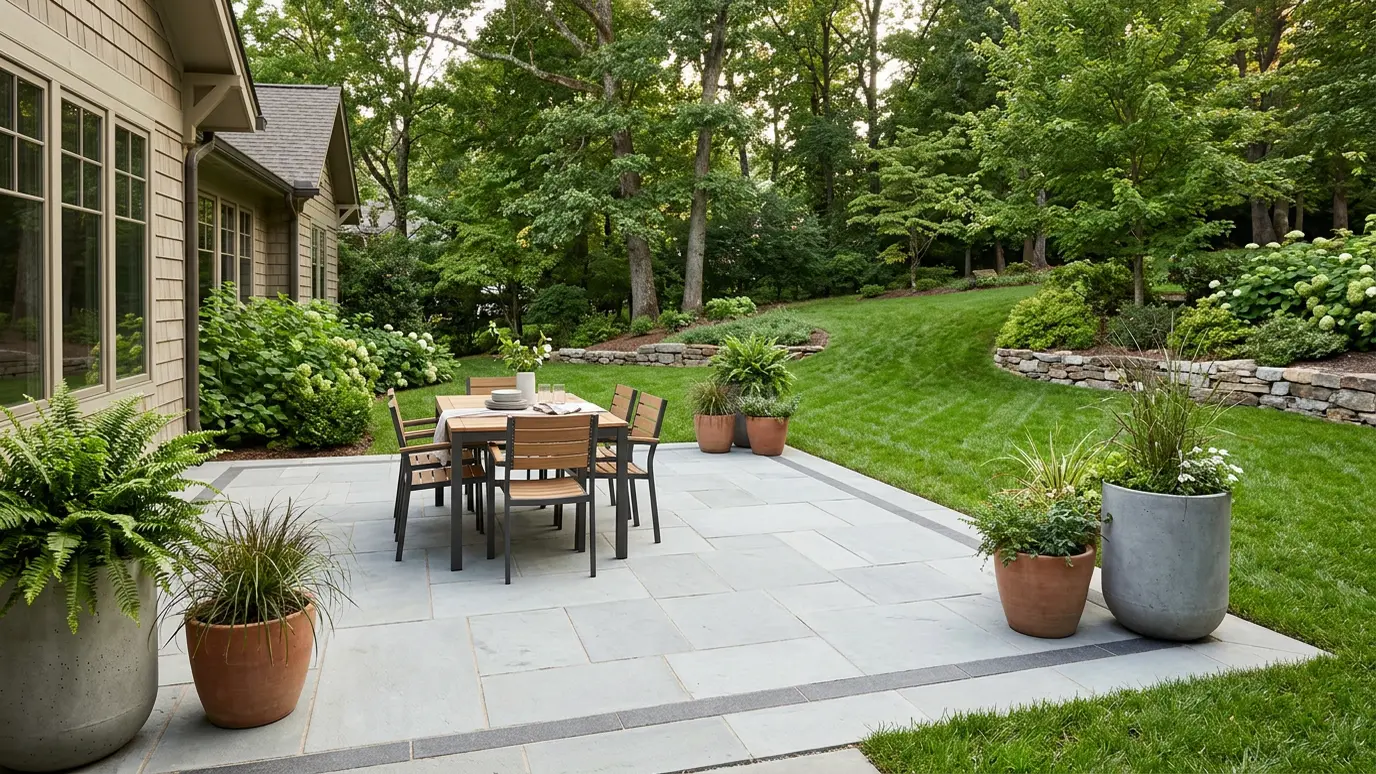
Poured concrete usually has the lowest starting cost. Concrete pavers sit in the middle, and natural stone such as flagstone or limestone is at the upper end because the material and labor both cost more. Within each family, there is a wide range of products.
The right question is not which costs least but which suits how you will use it and how long you want it to last.
The part you cannot see
Excavation, base stone, edge restraints and drainage make up much of the work and decide how long the surface lasts. Middle Tennessee clay demands a solid base. A bid that is much lower than others may be skipping base depth.
Ask each contractor how deep the base will be and how it will be compacted.
Access and site conditions
A flat yard with open access for equipment is faster than a steep lot where material has to be carried by hand. Rock, roots, utilities and poor soil add time. Disposal of excavated soil is another line item to ask about.
Extras that add up
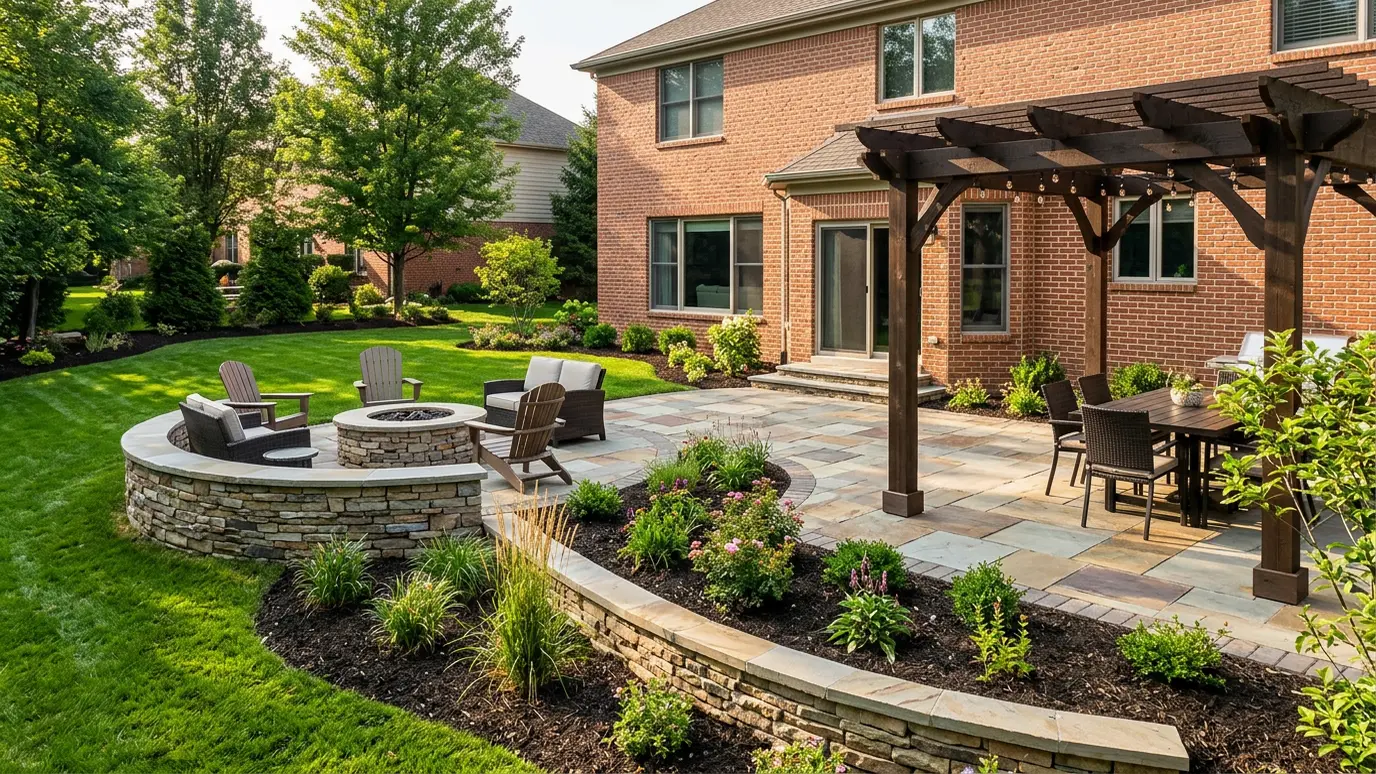
Walls, steps, lighting, drainage, fire features and planting each add to the total. It helps to separate must-haves from nice-to-haves, and to phase the project if needed. Good planning keeps later additions simple.
How to compare quotes
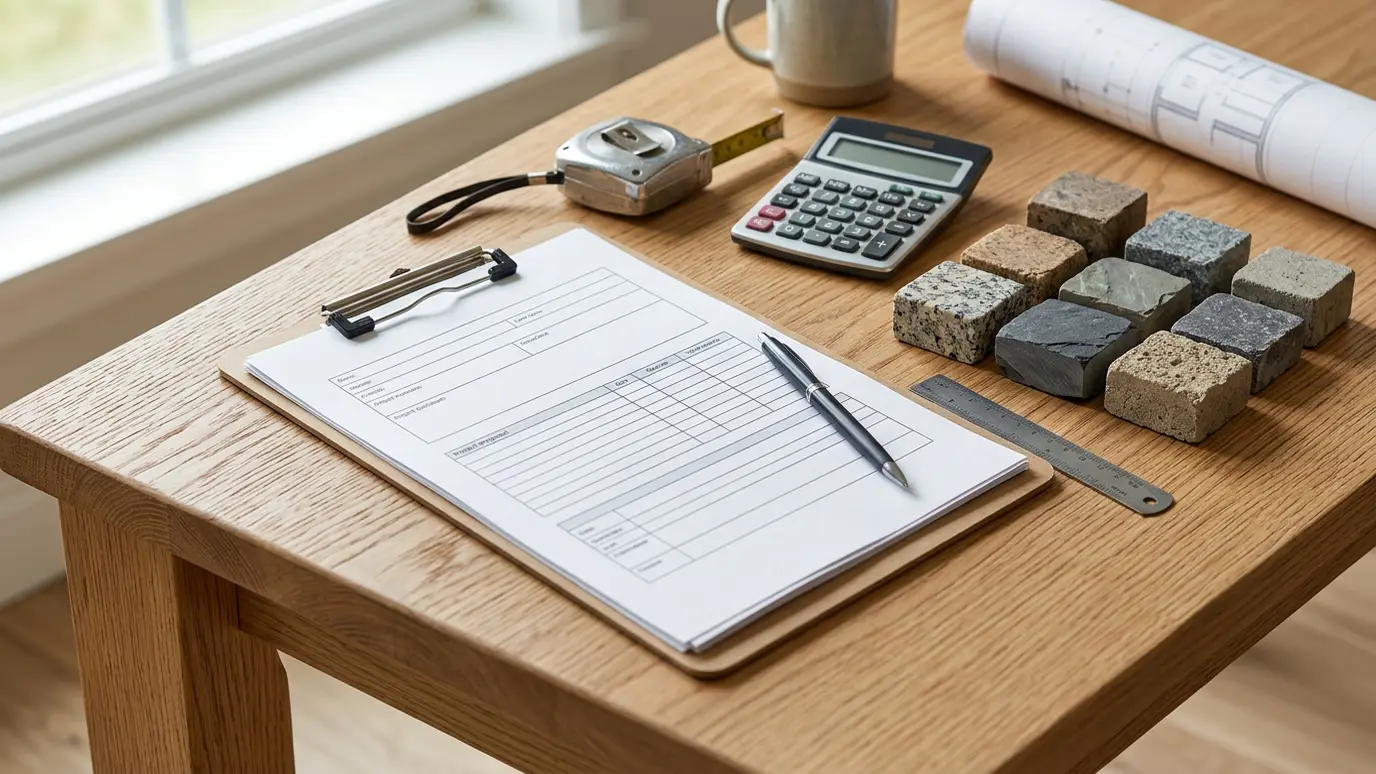
Compare the same scope: size, materials, base depth, drainage, cleanup and what happens if hidden conditions appear. Ask for a written quote with a clear description. Be cautious of vague quotes and of bids that are far below the rest.
Compare scope and base preparation, not just the number, and get everything in writing.