What clay does
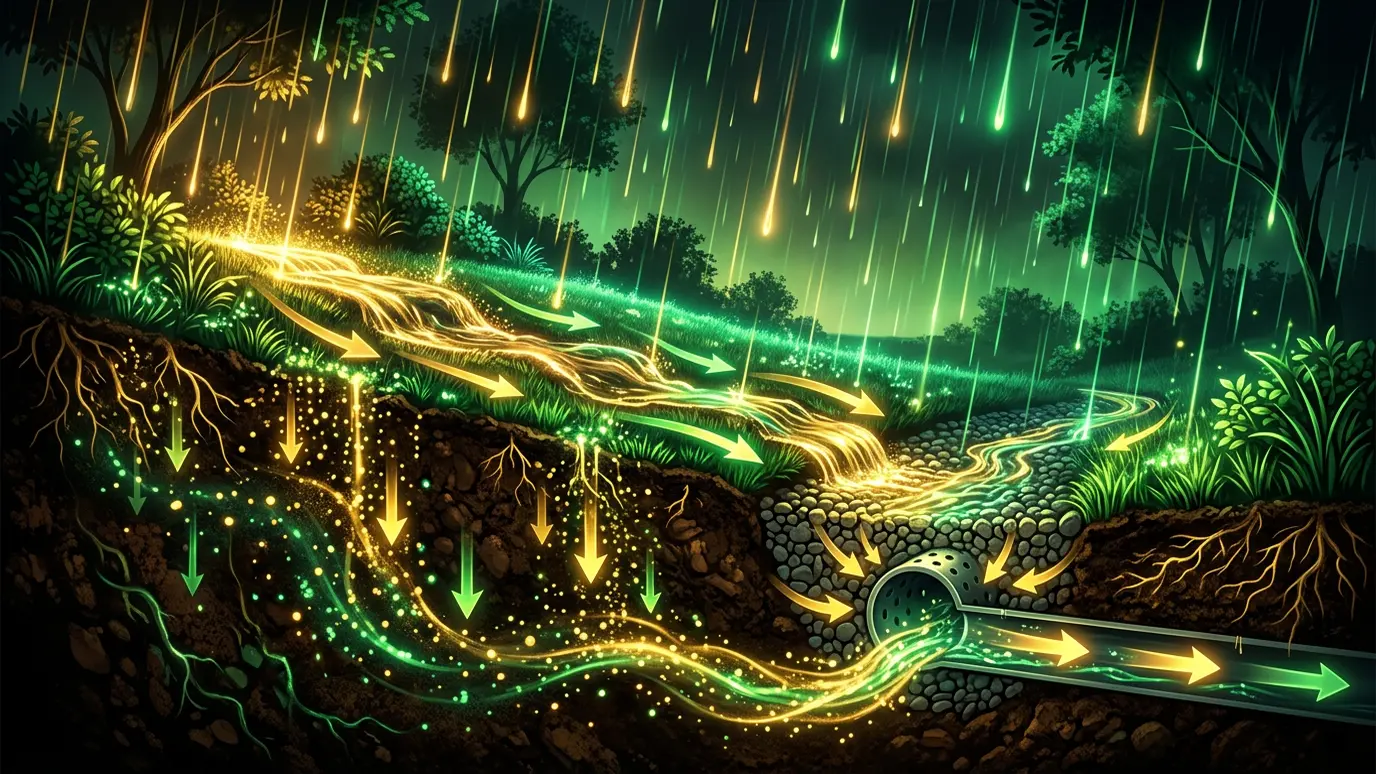
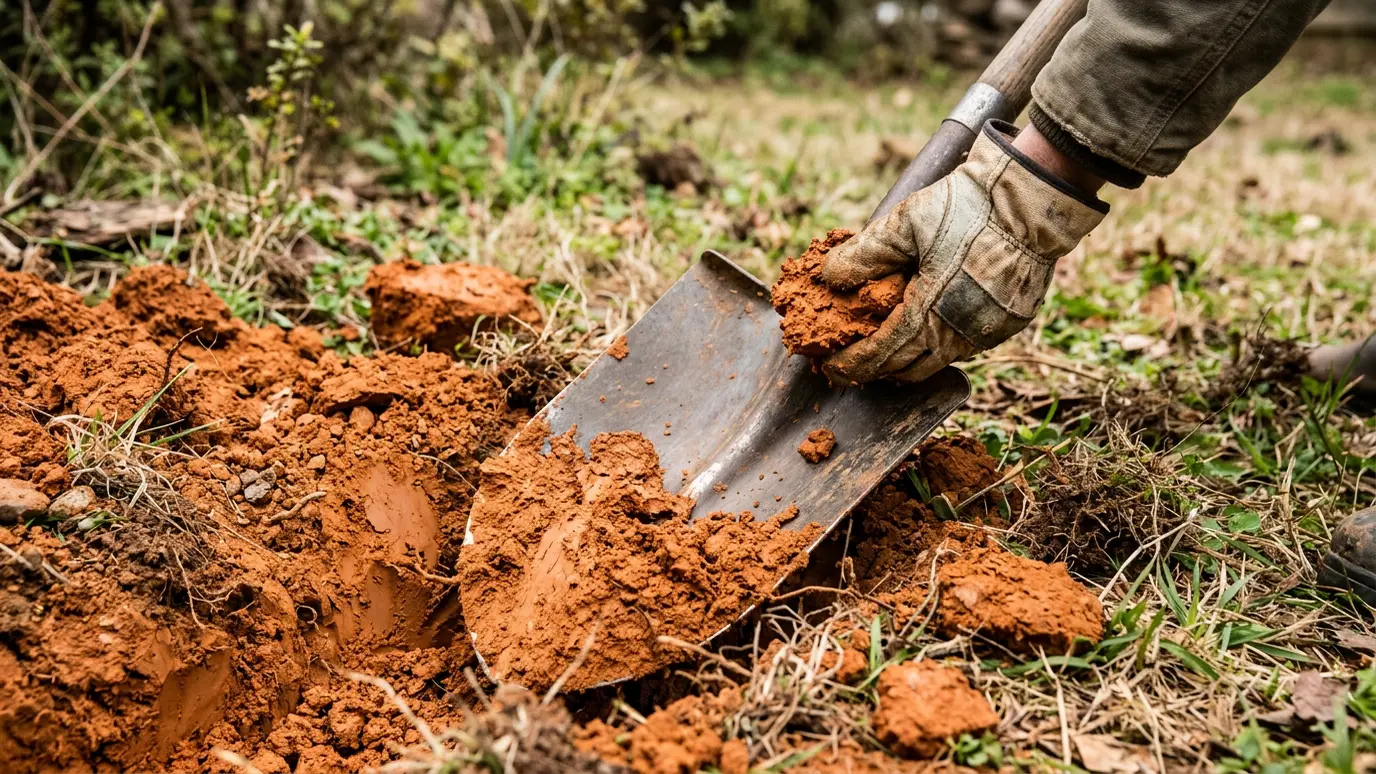
Clay particles are tiny and pack tightly. They hold water, drain slowly and swell when wet and shrink when dry. This movement affects patios and foundations.
Effects on plants
Roots struggle in heavy, wet clay. Many plants fail from poor drainage, not from lack of care.
Amending soil
Compost and other organic matter, worked into the top layer, improve structure. Avoid mixing sand into clay, which can make it like concrete.
Raised beds and mounds
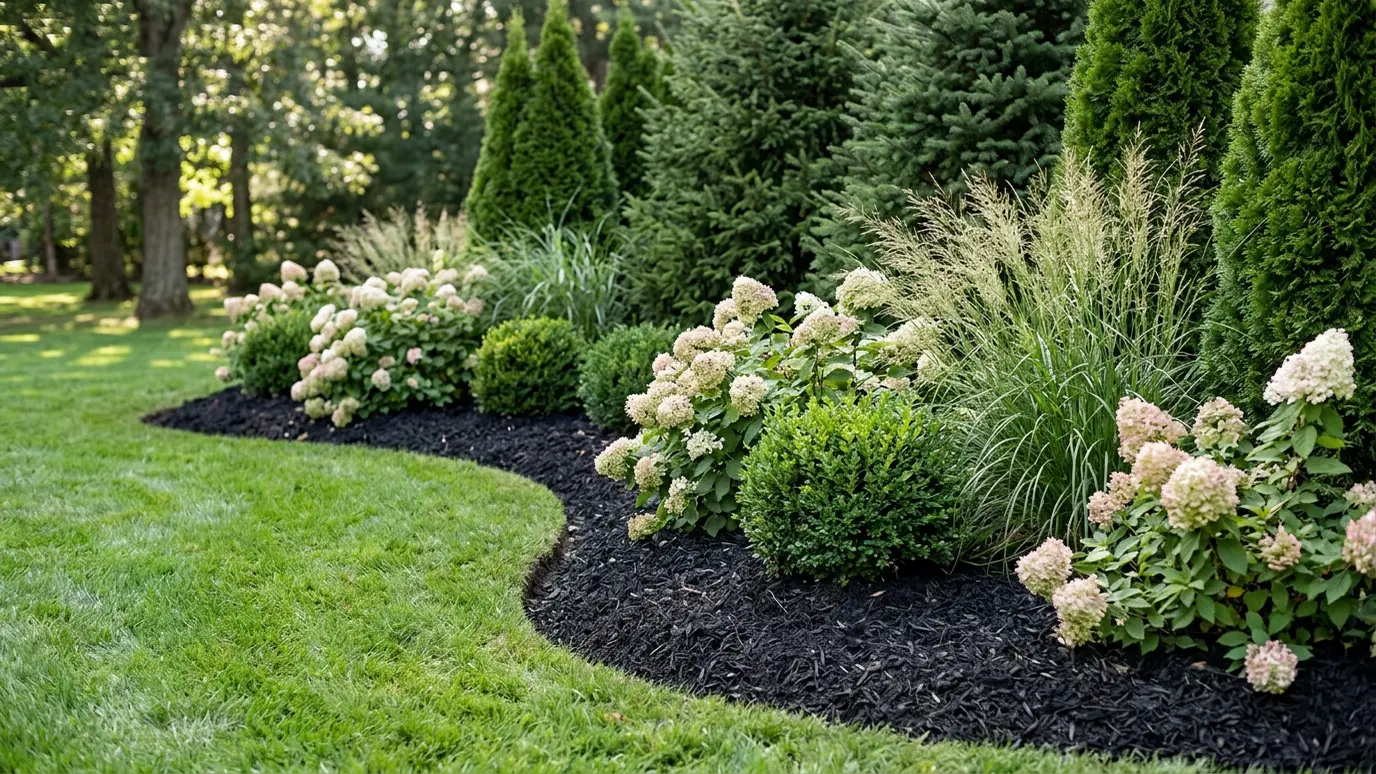
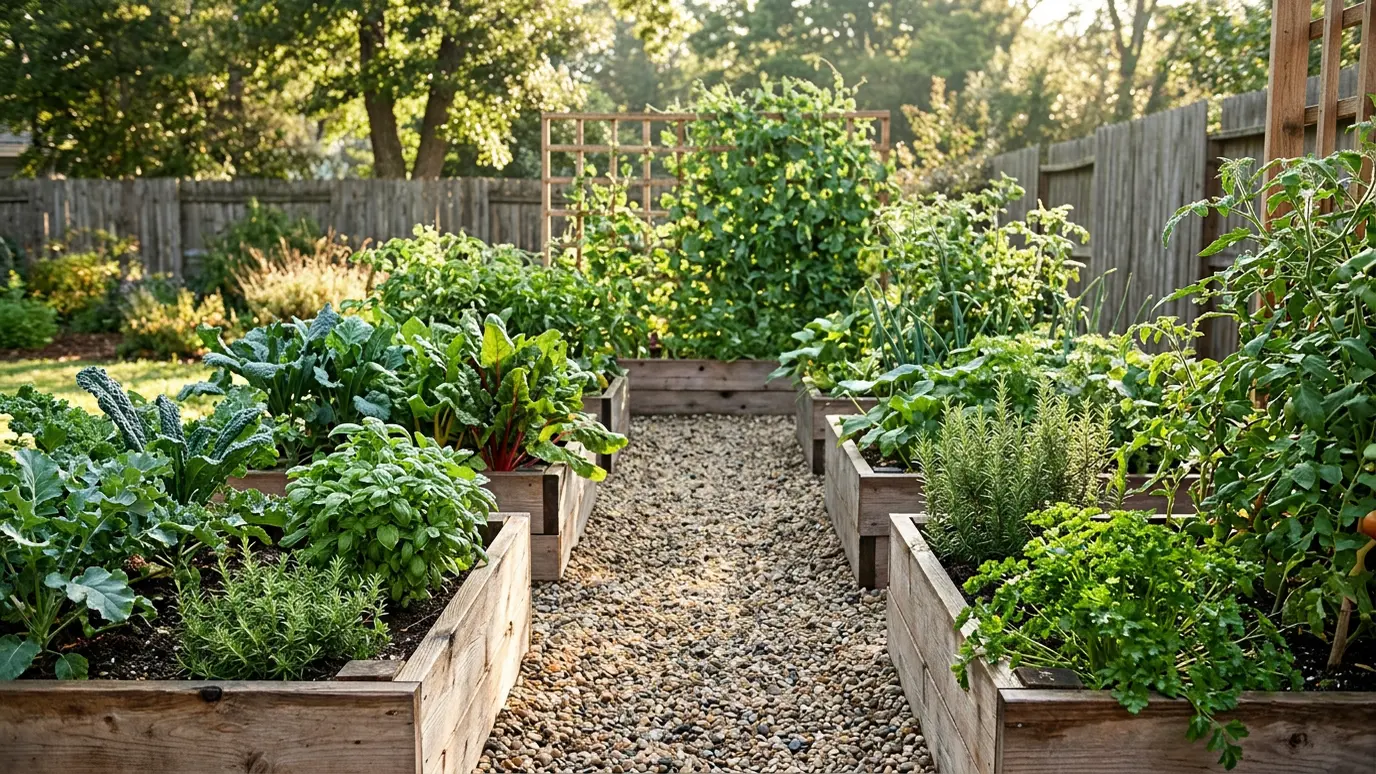
Planting slightly above grade helps plants in clay. Raised beds give full control of soil.
Hardscape on clay
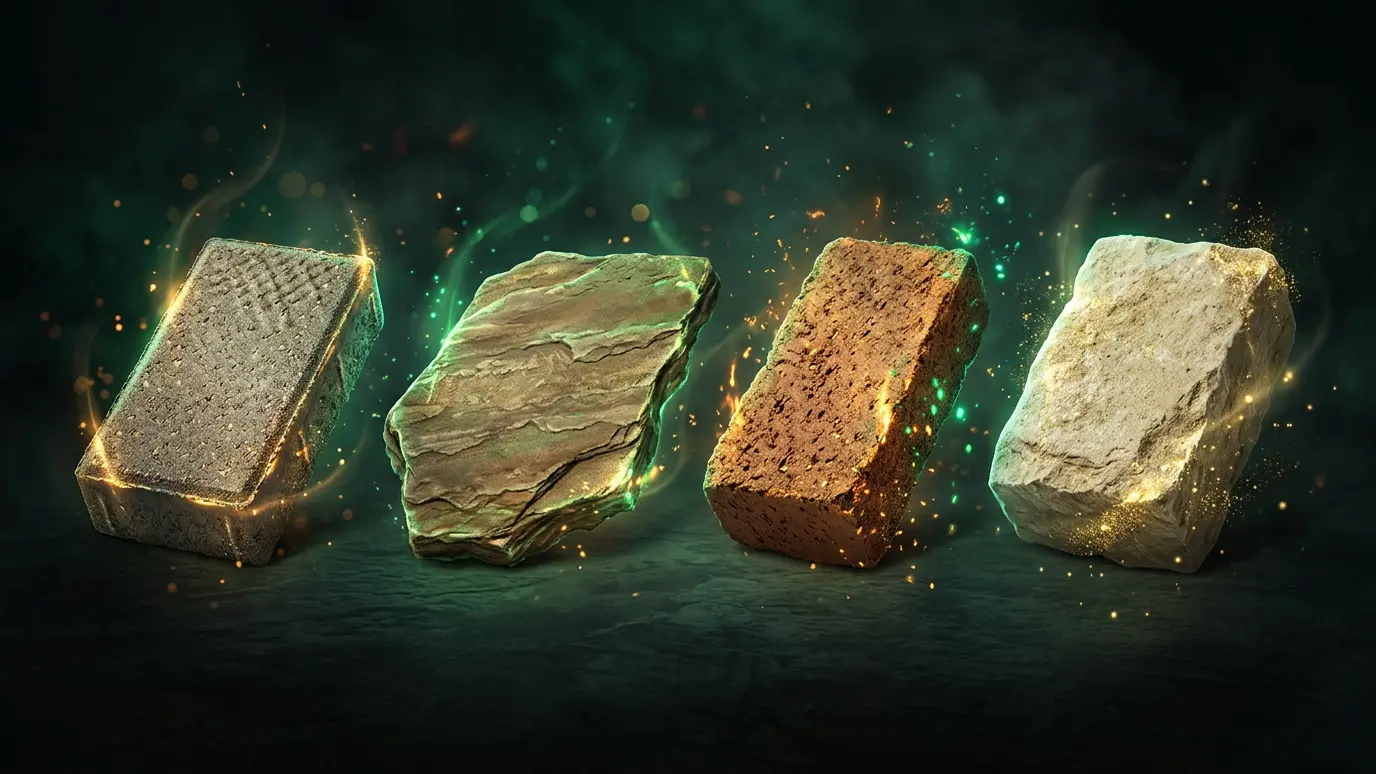
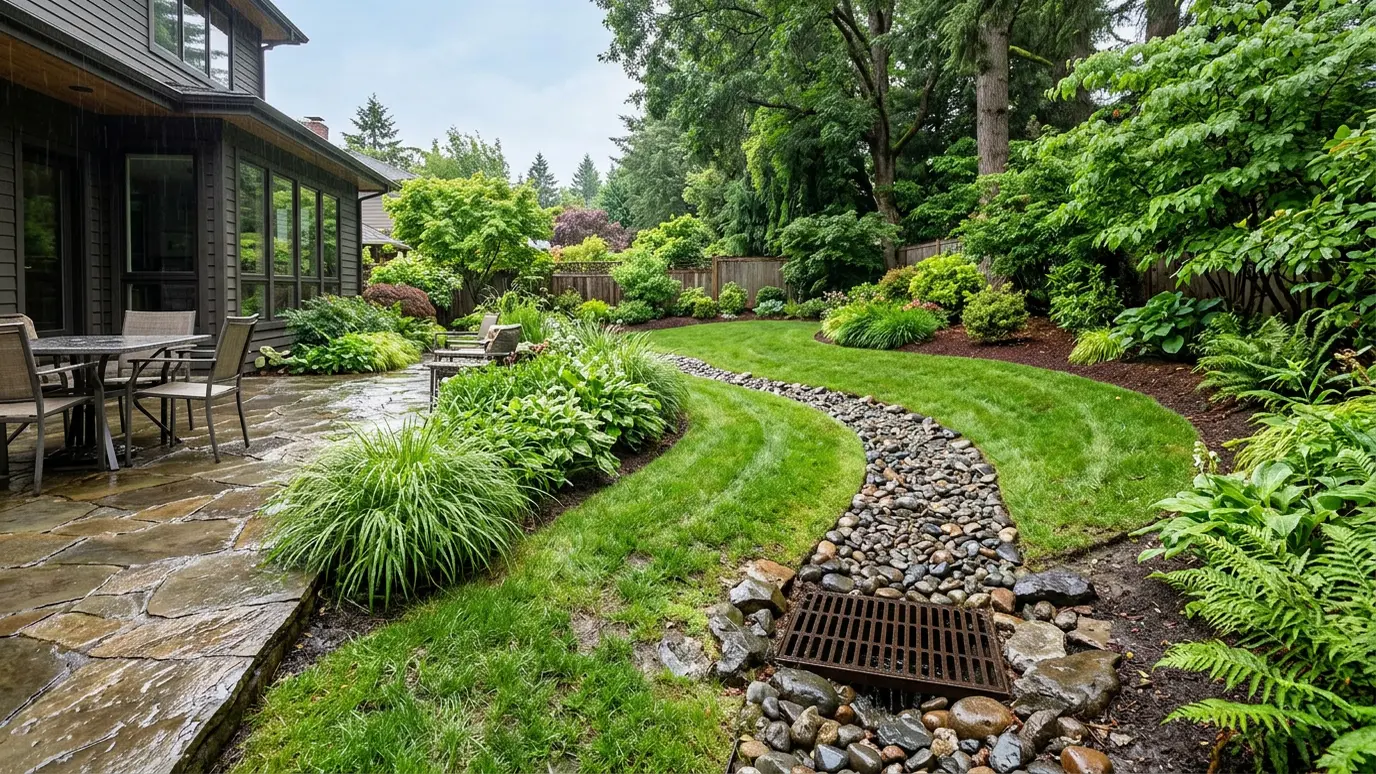
Clay demands a solid base, good compaction and drainage so water does not sit beneath surfaces.
Test before you plant
A simple soil test shows pH and nutrients. Your county extension office can help with testing.
Work with the clay: improve drainage, build up beds and give hardscape a deep, well-drained base.